


Inconspicuous Transformations
Inconspicuous Transformations: The Socio-Spatial Reconfiguration of ‘Formal’ Housing in Europe is a research project carried out at HafenCity University Hamburg, funded by the German Research Foundation (DFG) for the period 2025–2027, in collaboration with the School of Geography and Planning, Cardiff University, Cardiff, and the commonspace research team in Athens.
The project explores how subtle, often overlooked housing transformations emerge and quietly reshape urban landscapes, examining everyday practices of residents alongside the actions of public authorities and housing market pressures. It traces where formality and informality, legality and illegality, and regulation and creativity intersect, while analysing how different housing frameworks shape hidden strategies across European contexts to inform more inclusive policies.
New publication: Thomidou, A., Galuszka, J., & Dyussembekova, D. (2026). Incremental densification: Impacts of deregulated planning on residential and urban morphologies in London, UK. Journal of Urban Design DOI: 10.1080/13574809.2026.2654417 (CC BY 4.0)
New Project: Starting in January 2026 the project team will participate in exchanges with colleagues from the Faculty of Architecture, Design and Planning, University of Sydney as part of the DAAD-funded project "Housing affordability crisis, approaches and outcomes: Comparative Analysis of German and Australian Urban Contexts".
This site is a catalogue of housing practices and strategies. It presents stories and visual documentation of the transformation of housing in the cities studied in the project, making research findings visible and accessible. It also collects related material from outside the project to create an archive of how ordinary people are shaping the housing system.
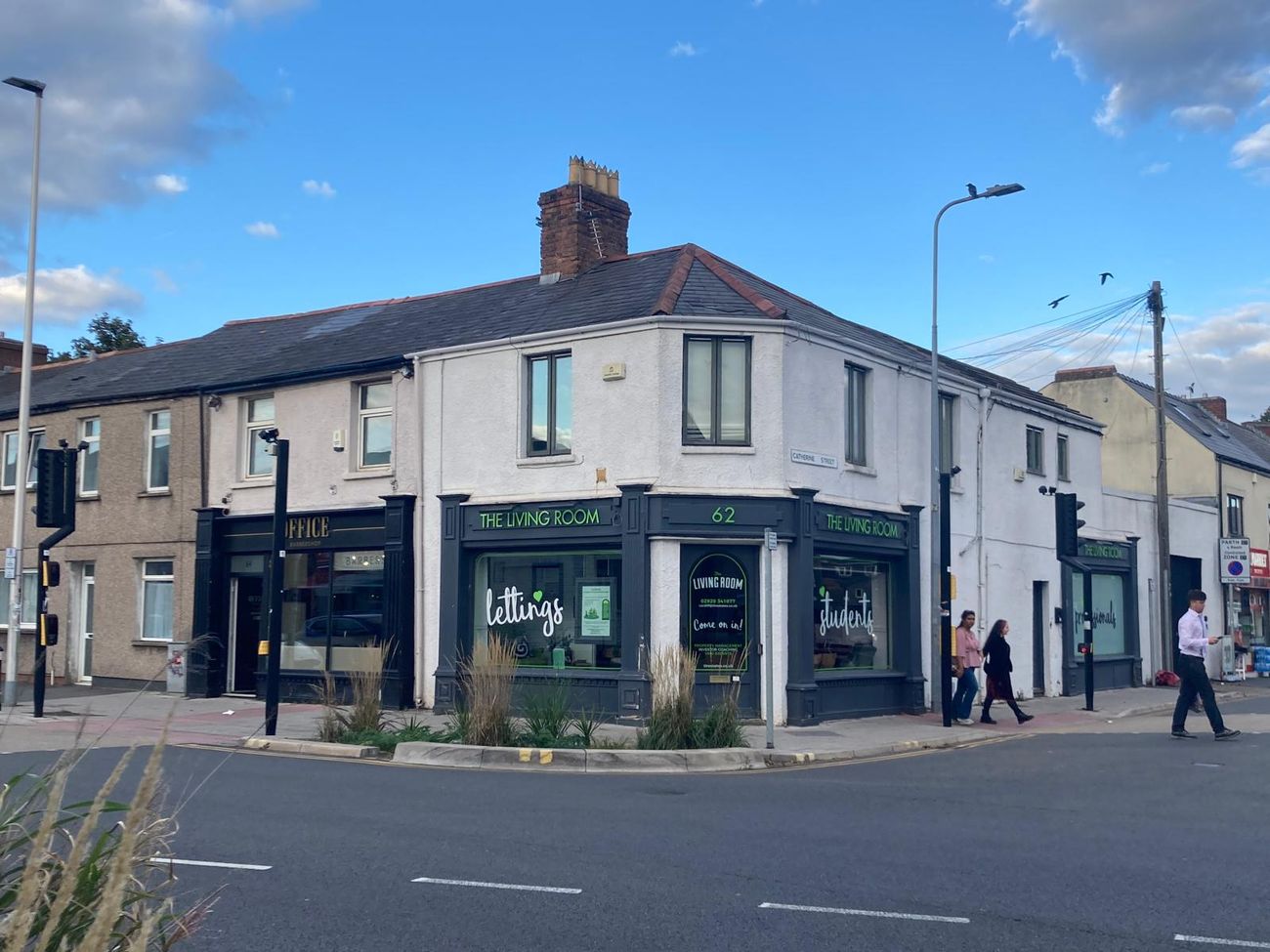

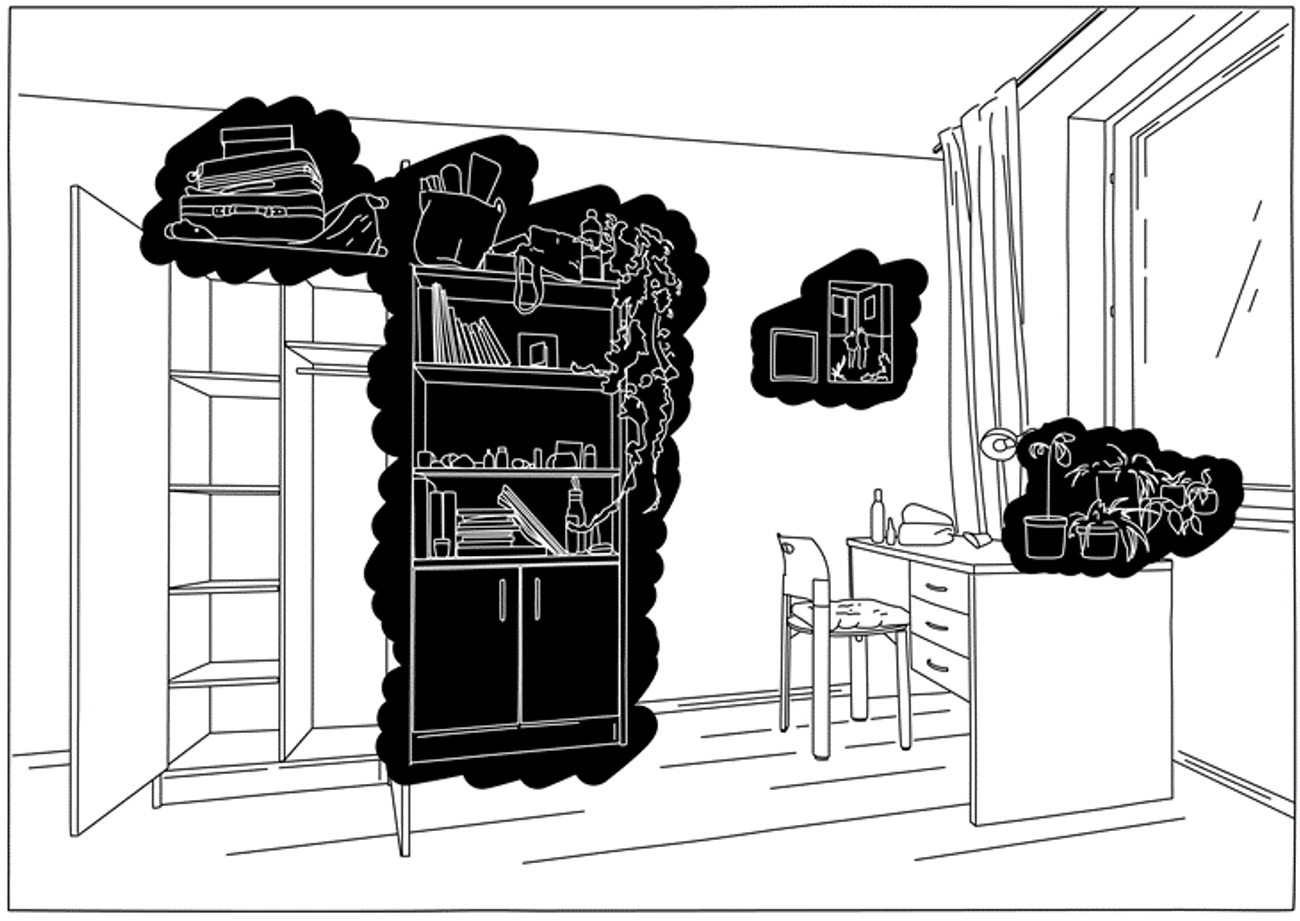
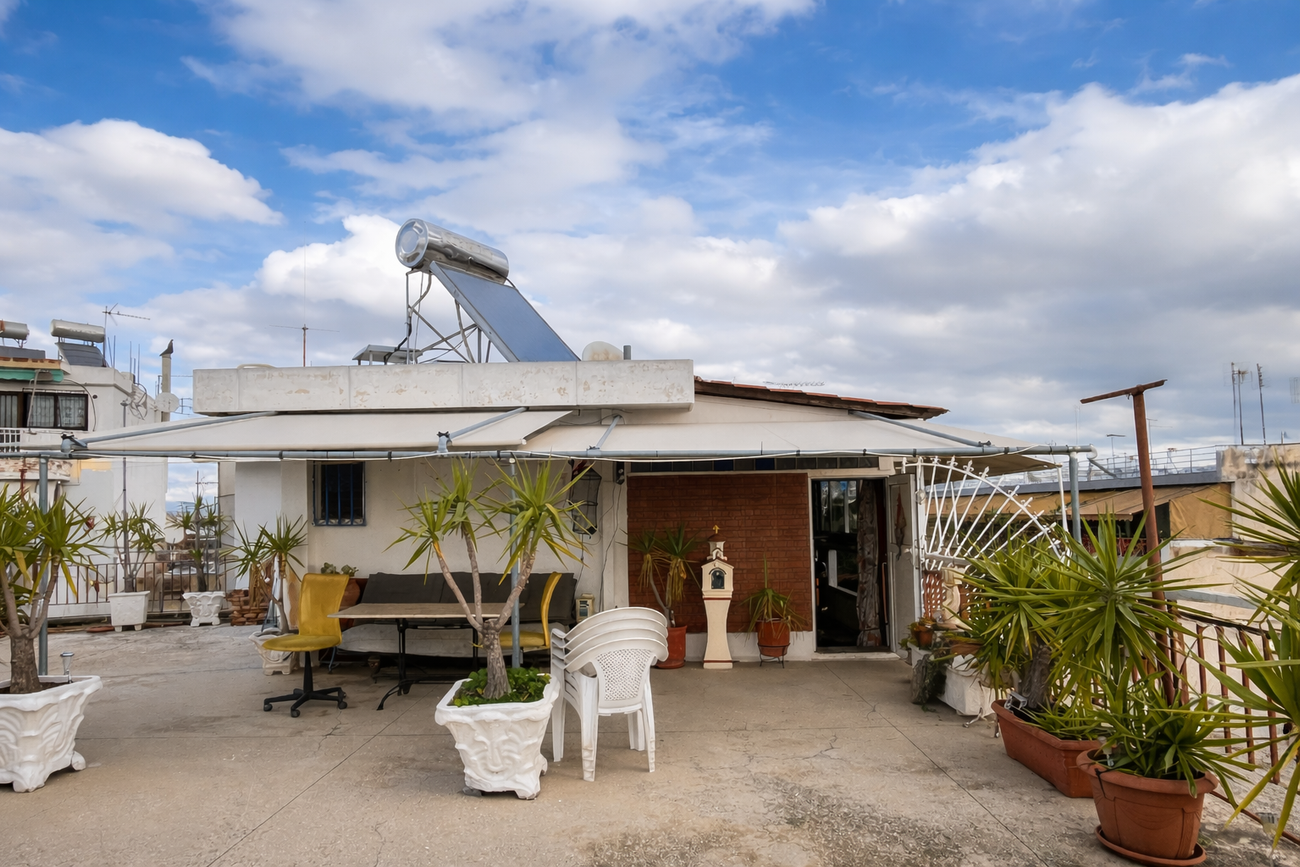


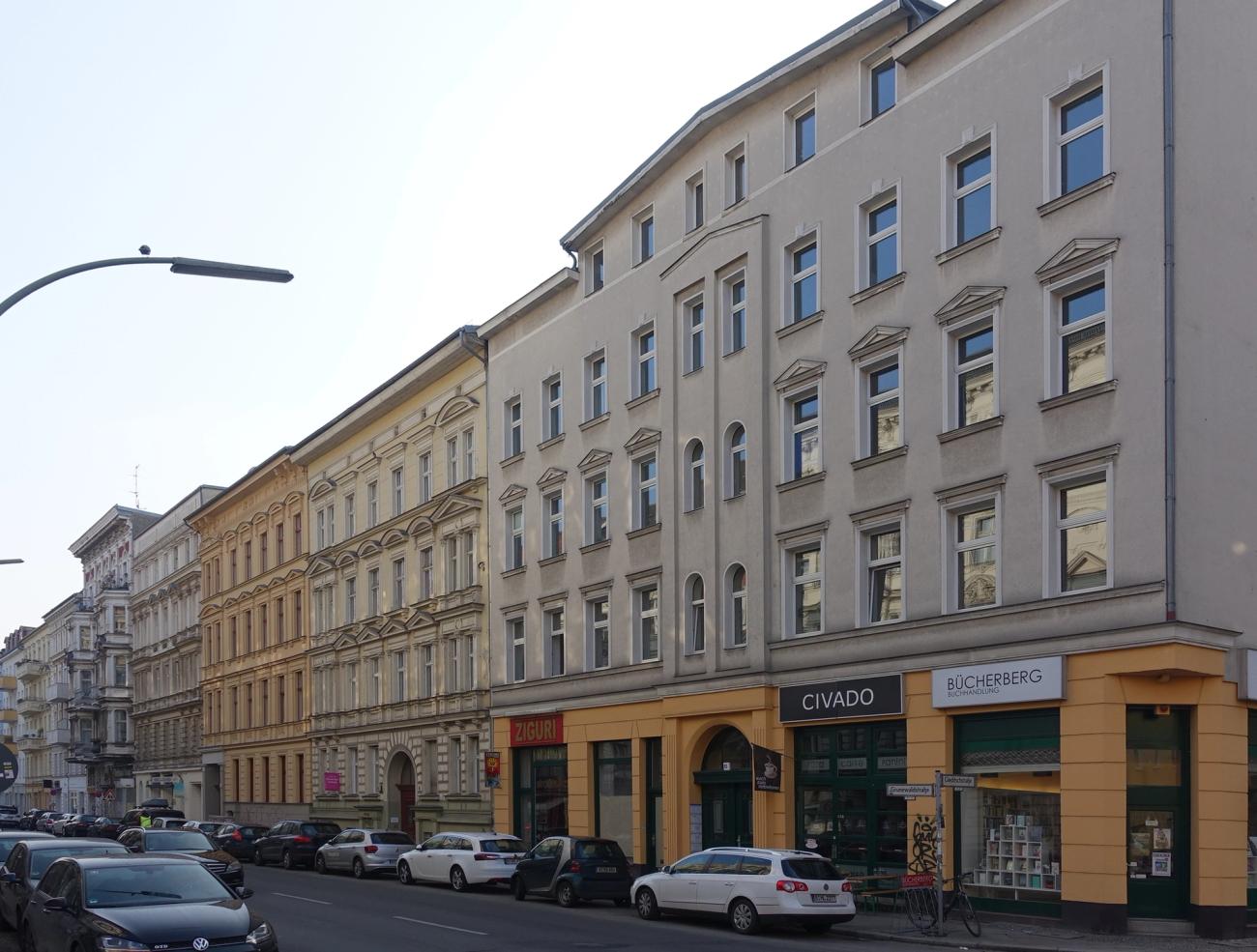
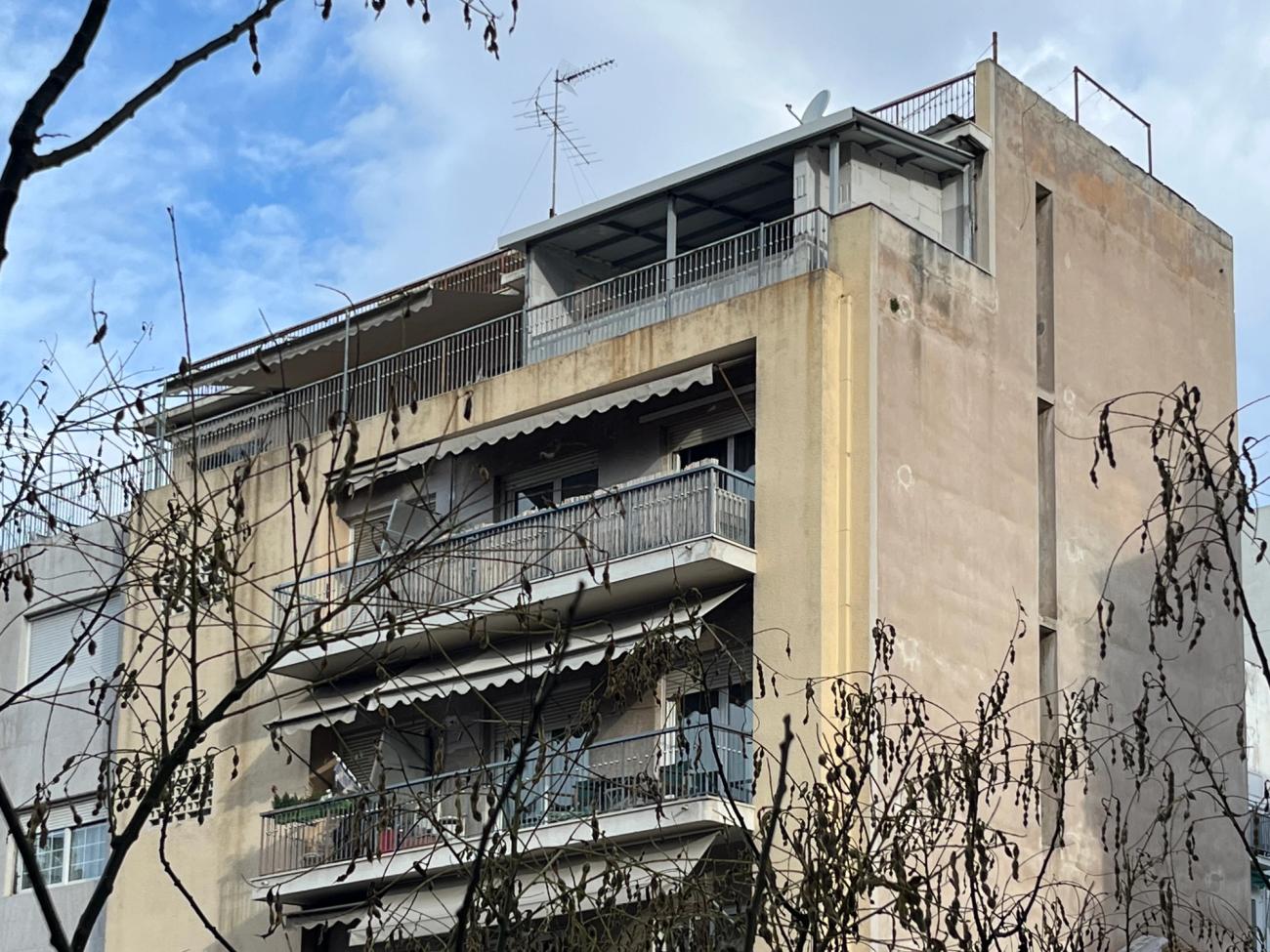
Focusing on three European contexts—Berlin, Cardiff, and Athens—representing different housing regimes (regulated, deregulated, and tolerant), the project analyses how varying policy environments shape hidden housing strategies. It seeks to capture both local specificities and broader European dynamics, offering comparative insights that can inform more inclusive housing policies.
The project uses a mixed-methods approach, combining interviews and life stories, spatial documentation of building changes, analysis of online housing platforms, and policy review to link everyday housing practices with official frameworks. Through this multidimensional approach, the project aims to make visible the everyday adaptations that challenge conventional understandings of housing and urban governance.
Cardiff
Deregulation and widespread Home Extensions
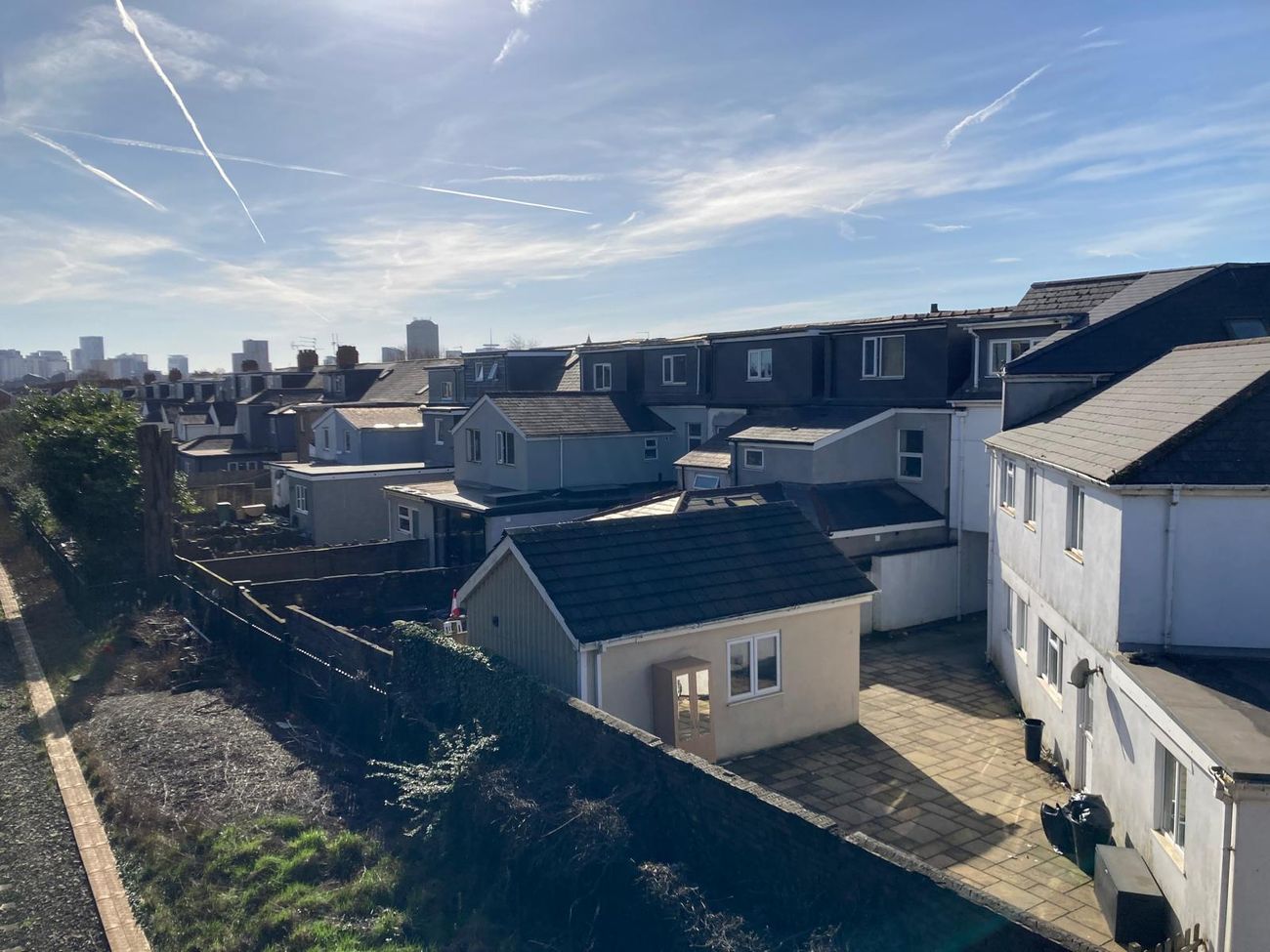
In the case of Cardiff, the project focuses on how existing housing stock, particularly terraced houses, has been extended and altered over time, and how these changes relate to broader housing market dynamics and neighbourhood-specific development trends.
In terms of regulation, the UK represents a context in which the public sector consciously decided to loosen official regulations in the hope that it would enable the private sector and individuals to contribute towards filling the housing gap (Rodríguez-Pose & Stroper, 2020; McFarlane, 2020). Various forms of deregulation in this context have led to the fast-tracking of conversions from non-residential to residential use, as well as soft densification measures such as infill development, home extensions and similar practices. Examples include the conversion of offices into substandard flats (Ferm et al., 2021), the mainstreaming of micro-living arrangements (Harris & Nowicki, 2020) and owner-driven adaptations of backyard living spaces across the UK (Galuszka & Will-Pham, 2022).
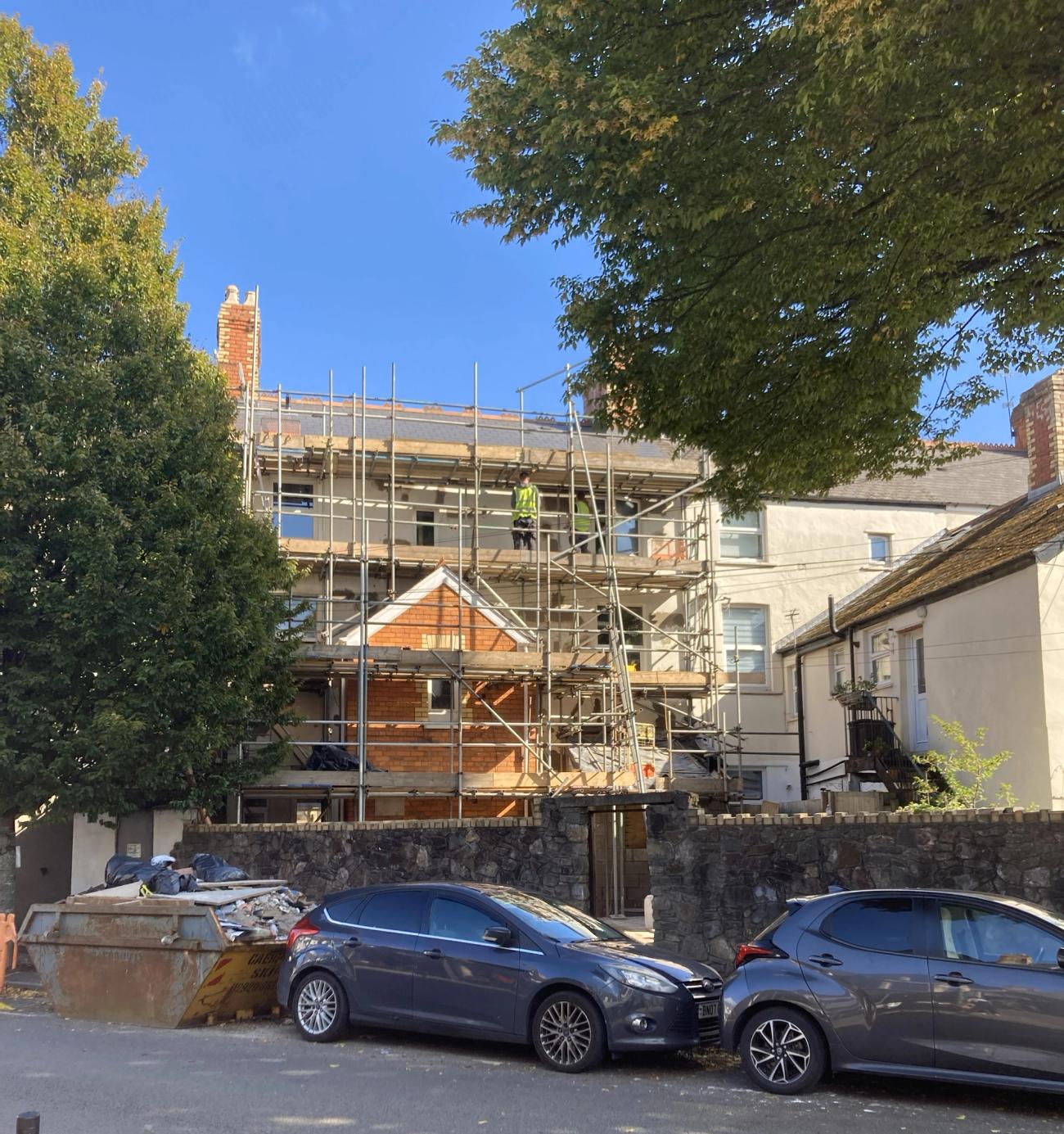
This case study focuses on the Cardiff capital region. As in other UK cities, the loosening of building regulations, particularly permitted development rights, enabled widespread development of extensions such as of rear extensions and dormer conversions in Cardiff's suburbs. In spatial terms, this process has led to significant growth in built-up structures, as well as the conversion of green spaces for redevelopment.
While Cardiff's rental market was previously at a mid-level of affordability, it is currently experiencing radical changes in prices. Data from October 2022 reveals that Cardiff is the sixth most expensive city in the country, with prices having increased by 11.7% over the past year (Isaac, 2022). This increase in costs has resulted in a high number of people on council housing lists (Cardiff Housing, 2024). In this context, extensions not only fulfil the personal needs of owners but also allow for increased rental capacity, including various forms of micro-living and HMOs, as well as converting houses into flats. This study will investigate these issues by documenting owner-driven housing transformations, including spatial outcomes in terms of morphologies as well as the associated social, neighbourly, and legal considerations. The outcomes of these processes in terms of habitation practices, the rental market, property development, and (de)valuation will then be explored. The research focuses on three centrally located suburbs dominated by Victorian and Edwardian terraces with very different development dynamics and socioeconomic profiles: Pontcanna, Gabalfa and Cathays.