


Inconspicuous Transformations
Inconspicuous Transformations: The Socio-Spatial Reconfiguration of ‘Formal’ Housing in Europe is a research project carried out at HafenCity University Hamburg, funded by the German Research Foundation (DFG) for the period 2025–2027, in collaboration with the School of Geography and Planning, Cardiff University, Cardiff, and the commonspace research team in Athens.
The project explores how subtle, often overlooked housing transformations emerge and quietly reshape urban landscapes, examining everyday practices of residents alongside the actions of public authorities and housing market pressures. It traces where formality and informality, legality and illegality, and regulation and creativity intersect, while analysing how different housing frameworks shape hidden strategies across European contexts to inform more inclusive policies.
New publication: Thomidou, A., Galuszka, J., & Dyussembekova, D. (2026). Incremental densification: Impacts of deregulated planning on residential and urban morphologies in London, UK. Journal of Urban Design DOI: 10.1080/13574809.2026.2654417 (CC BY 4.0)
New Project: Starting in January 2026 the project team will participate in exchanges with colleagues from the Faculty of Architecture, Design and Planning, University of Sydney as part of the DAAD-funded project "Housing affordability crisis, approaches and outcomes: Comparative Analysis of German and Australian Urban Contexts".
This site is a catalogue of housing practices and strategies. It presents stories and visual documentation of the transformation of housing in the cities studied in the project, making research findings visible and accessible. It also collects related material from outside the project to create an archive of how ordinary people are shaping the housing system.
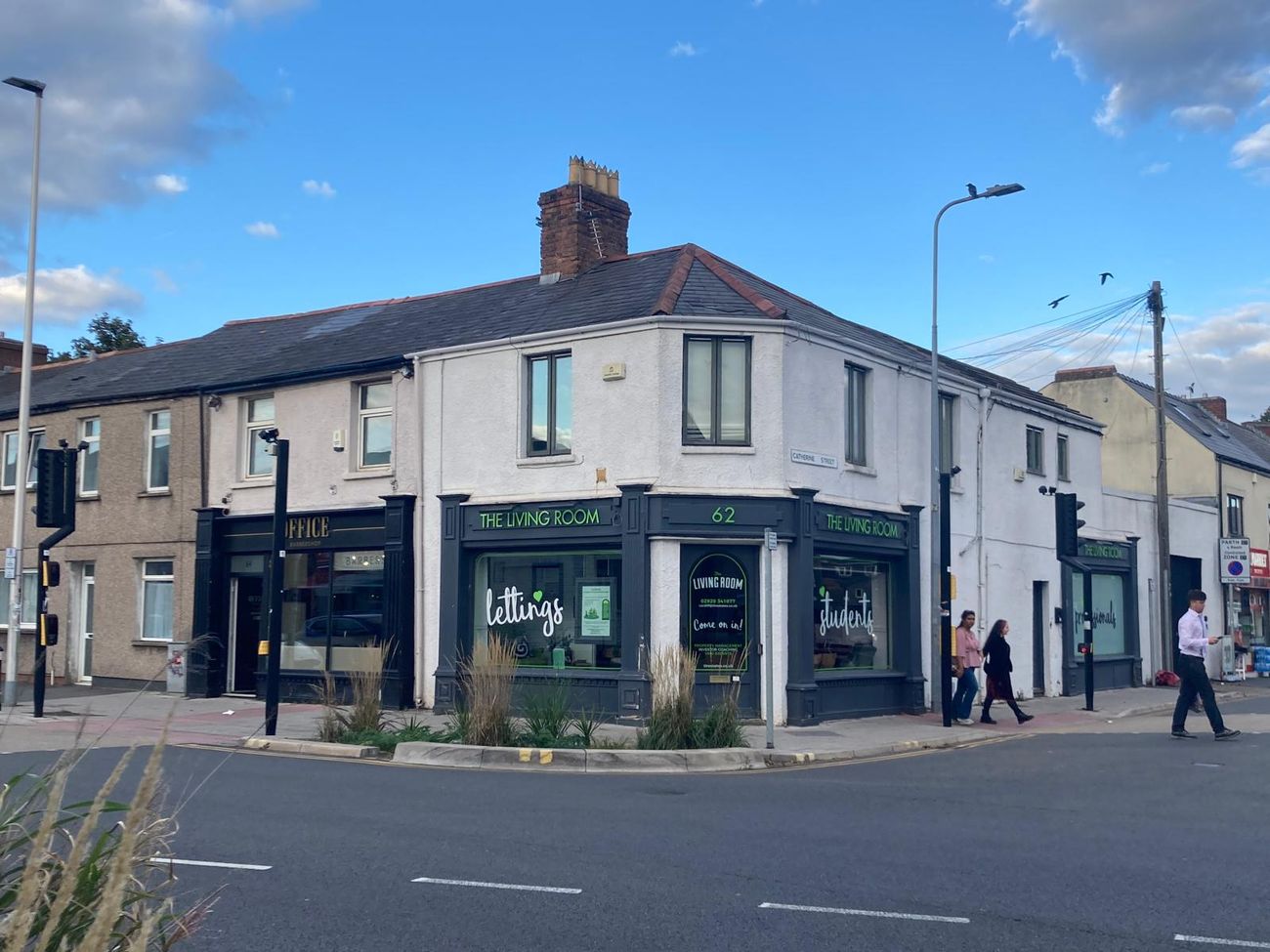

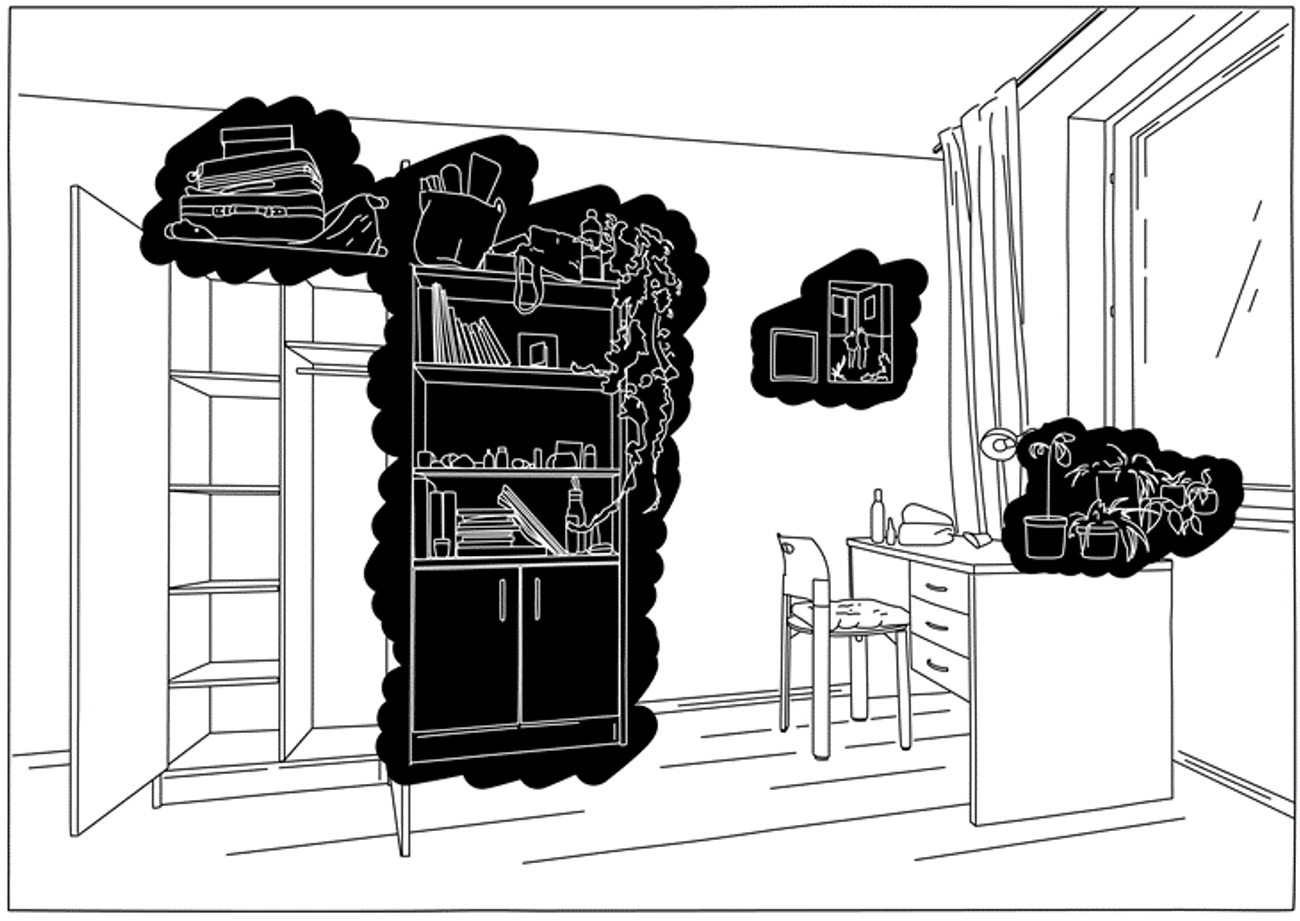



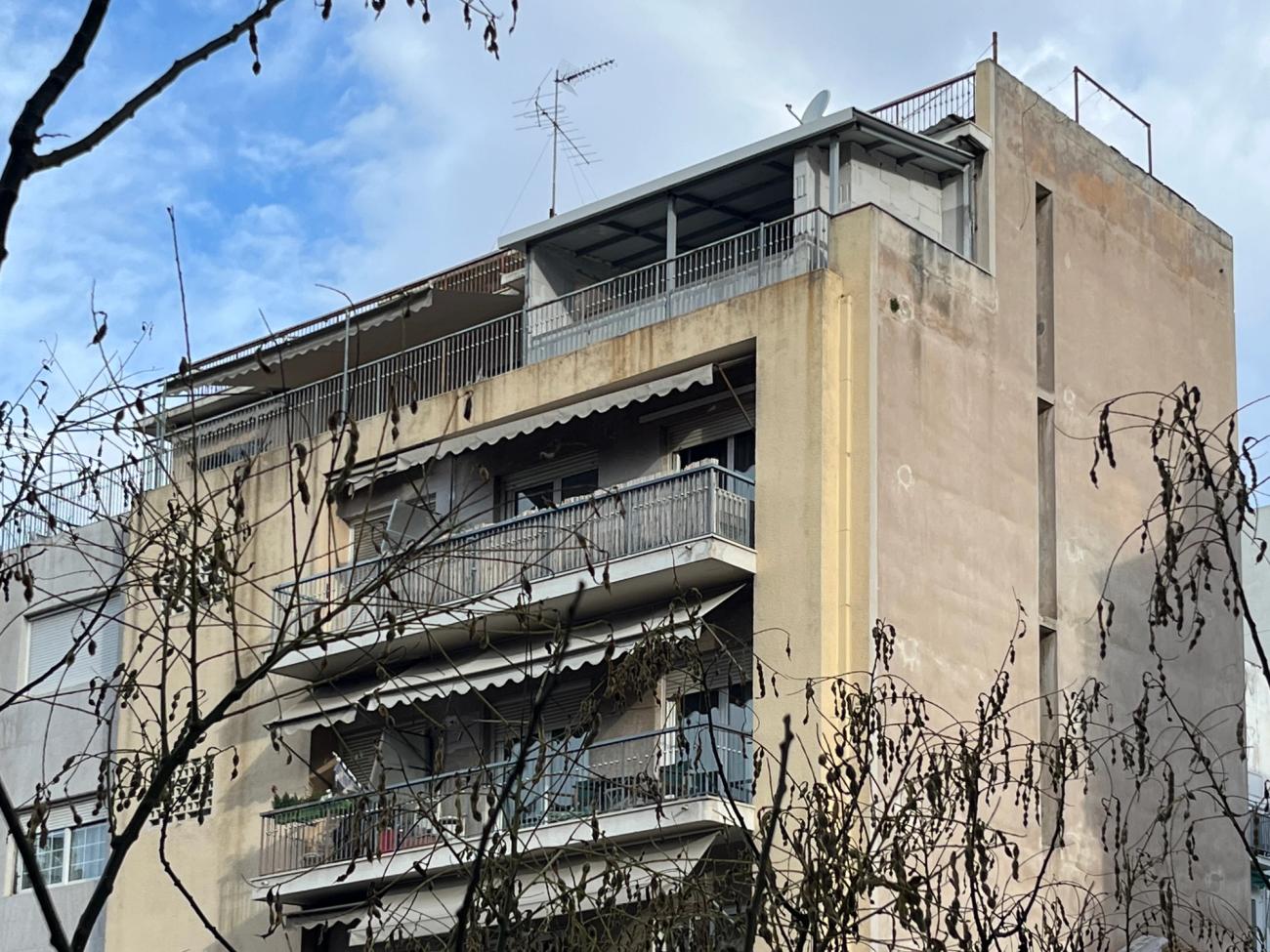
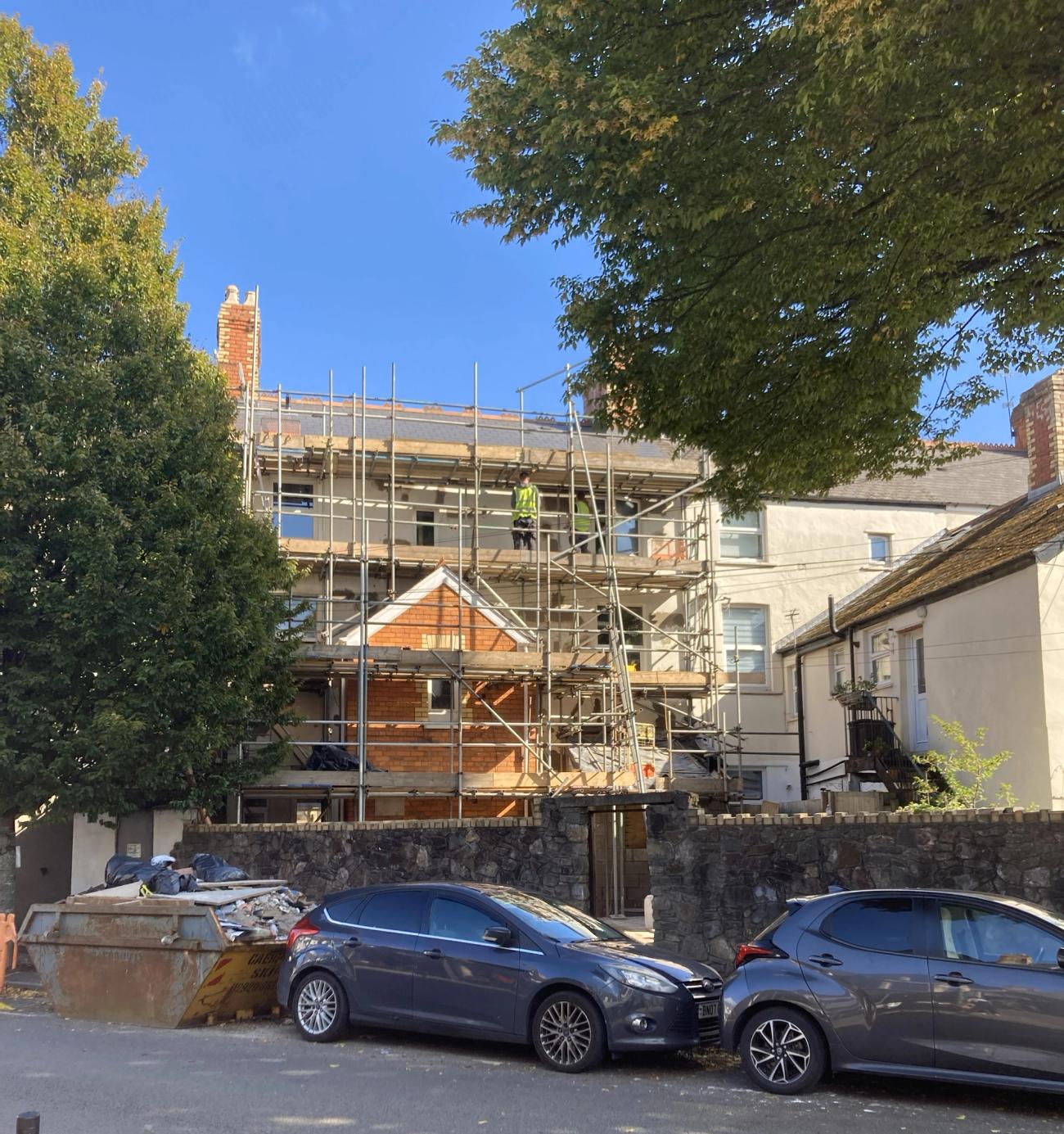
Focusing on three European contexts—Berlin, Cardiff, and Athens—representing different housing regimes (regulated, deregulated, and tolerant), the project analyses how varying policy environments shape hidden housing strategies. It seeks to capture both local specificities and broader European dynamics, offering comparative insights that can inform more inclusive housing policies.
The project uses a mixed-methods approach, combining interviews and life stories, spatial documentation of building changes, analysis of online housing platforms, and policy review to link everyday housing practices with official frameworks. Through this multidimensional approach, the project aims to make visible the everyday adaptations that challenge conventional understandings of housing and urban governance.
Berlin
Seemingly Tight Regulation and Hidden Markets
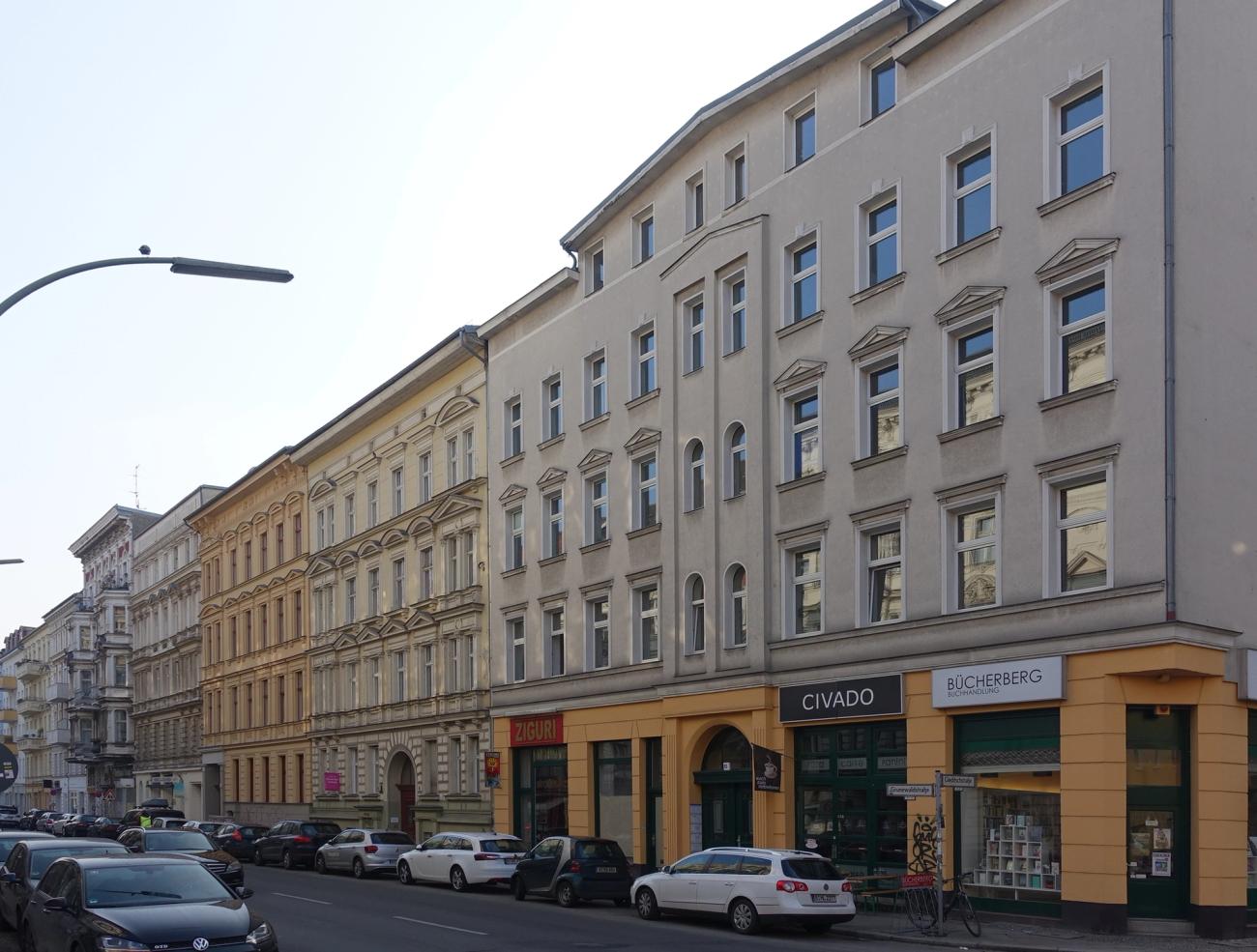
In Berlin, the project examines the gradual changes to the housing system within a context where the commodification of housing in the 2000s and 2010s, coupled with a decline in social housing construction and population growth, resulted in widespread unaffordability and availability issues. Efforts to address these issues included regulatory and planning measures to control the spread of short-term rentals (mainly Airbnb), preserve the composition of the resident population (Millieuschutzgebiete) and strengthen and expand rent caps. There were also civil society-driven efforts to remunicipalise large private housing companies.
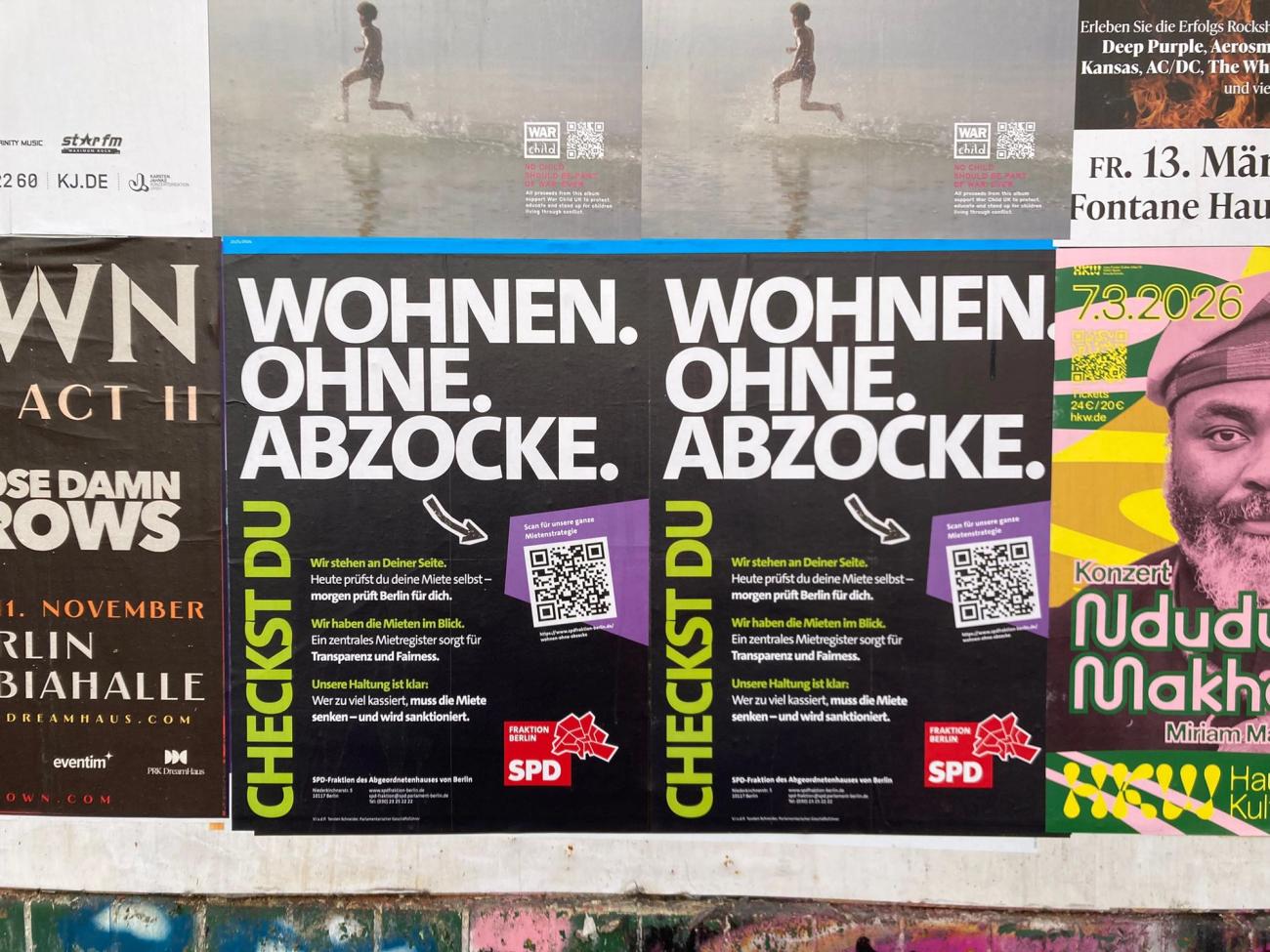
Despite these measures, hidden housing has emerged as an important phenomenon, linked to factors such as continuing rent increases, landlords' unwillingness to comply with new regulations, and owners' and head tenants' power to exclude specific profiles of sub-tenants. In order to grasp the complexities of these phenomena, the project will focus on subletting, different modes of shared accommodation, subdivisions, and short-term leases in Berlin. Building on the findings of the Berlin University Alliance X-research group 'Navigating the Housing Crisis', which focused on tenants' perspectives, the Berlin research project expands this line of research by collecting and analysing data from real estate and flat sharing platforms, engaging with ongoing legal debates and consulting representatives from planning and housing administrations, local politicians, housing lawyers and real estate professionals, as well as head tenants who are subletting (parts of) their flats.
Outputs:
- Elsner, L.-A., Bouchehri, M., Łojewska, O., & Potanina, A. (2025). Living in someone else’s place: An exploration of subletting practices in Berlin in times of housing crisis. In J. Galuszka (Ed.), Informal Housing in the Global North. Exploring Practices, Actors and Processes in a Transforming Housing System, (pp. 160–179). Routledge.
- Gastaminza Vacas, I., & Elsner, L.-A. (2025). Wohnungssuche als Dauerzustand. Temporäre Untermietverhältnisse als Normalität für viele Zugezogene, MieterEcho, 451, 14–15, https://www.bmgev.de/mieterecho/archiv/2025/me-single/article/wohnungssuche-als-dauerzustand/