


Inconspicuous Transformations
Inconspicuous Transformations: The Socio-Spatial Reconfiguration of ‘Formal’ Housing in Europe is a research project carried out at HafenCity University Hamburg, funded by the German Research Foundation (DFG) for the period 2025–2027, in collaboration with the School of Geography and Planning, Cardiff University, Cardiff, and the commonspace research team in Athens.
The project explores how subtle, often overlooked housing transformations emerge and quietly reshape urban landscapes, examining everyday practices of residents alongside the actions of public authorities and housing market pressures. It traces where formality and informality, legality and illegality, and regulation and creativity intersect, while analysing how different housing frameworks shape hidden strategies across European contexts to inform more inclusive policies.
New publication: Thomidou, A., Galuszka, J., & Dyussembekova, D. (2026). Incremental densification: Impacts of deregulated planning on residential and urban morphologies in London, UK. Journal of Urban Design DOI: 10.1080/13574809.2026.2654417 (CC BY 4.0)
New Project: Starting in January 2026 the project team will participate in exchanges with colleagues from the Faculty of Architecture, Design and Planning, University of Sydney as part of the DAAD-funded project "Housing affordability crisis, approaches and outcomes: Comparative Analysis of German and Australian Urban Contexts".
This site is a catalogue of housing practices and strategies. It presents stories and visual documentation of the transformation of housing in the cities studied in the project, making research findings visible and accessible. It also collects related material from outside the project to create an archive of how ordinary people are shaping the housing system.
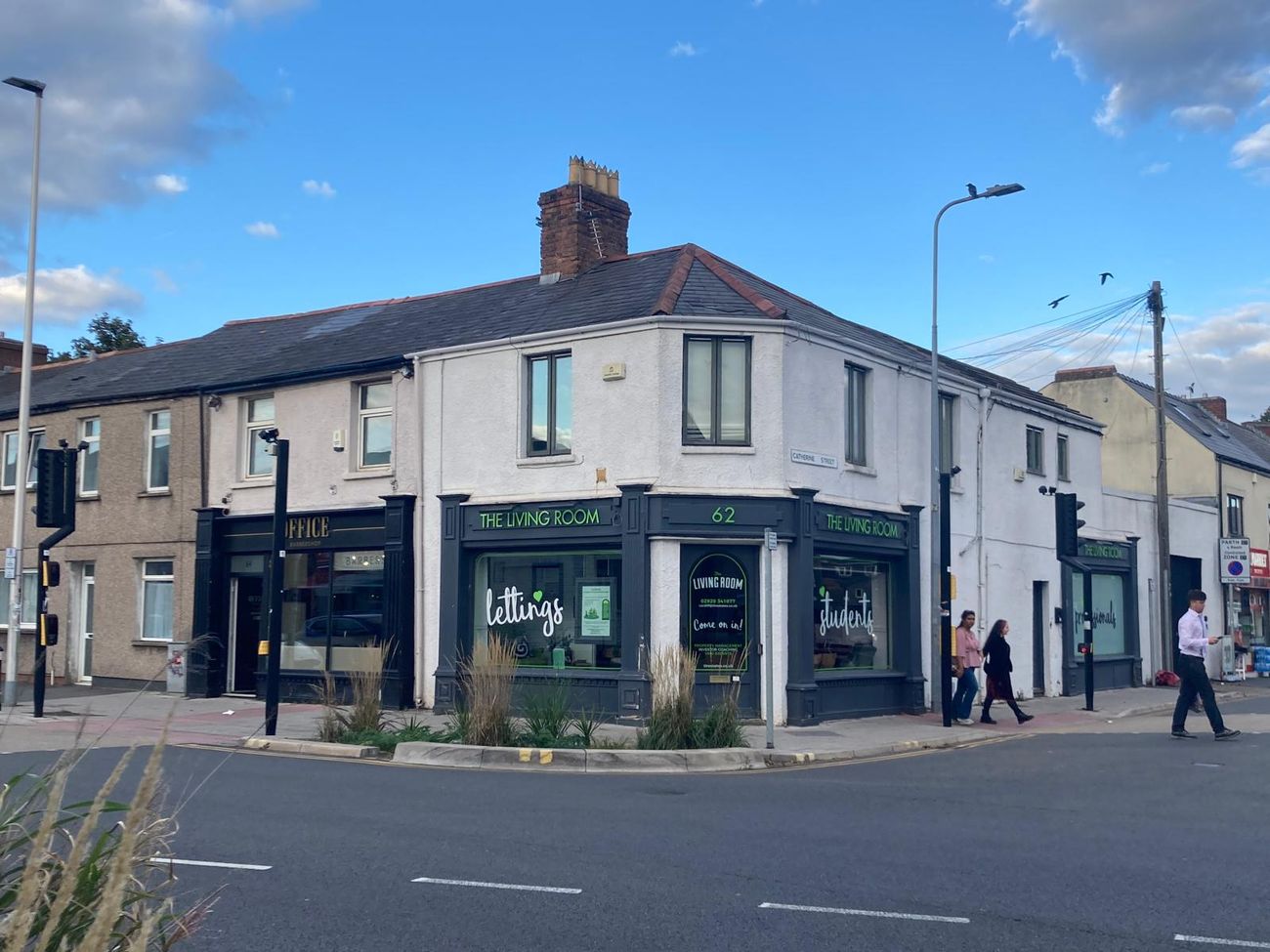

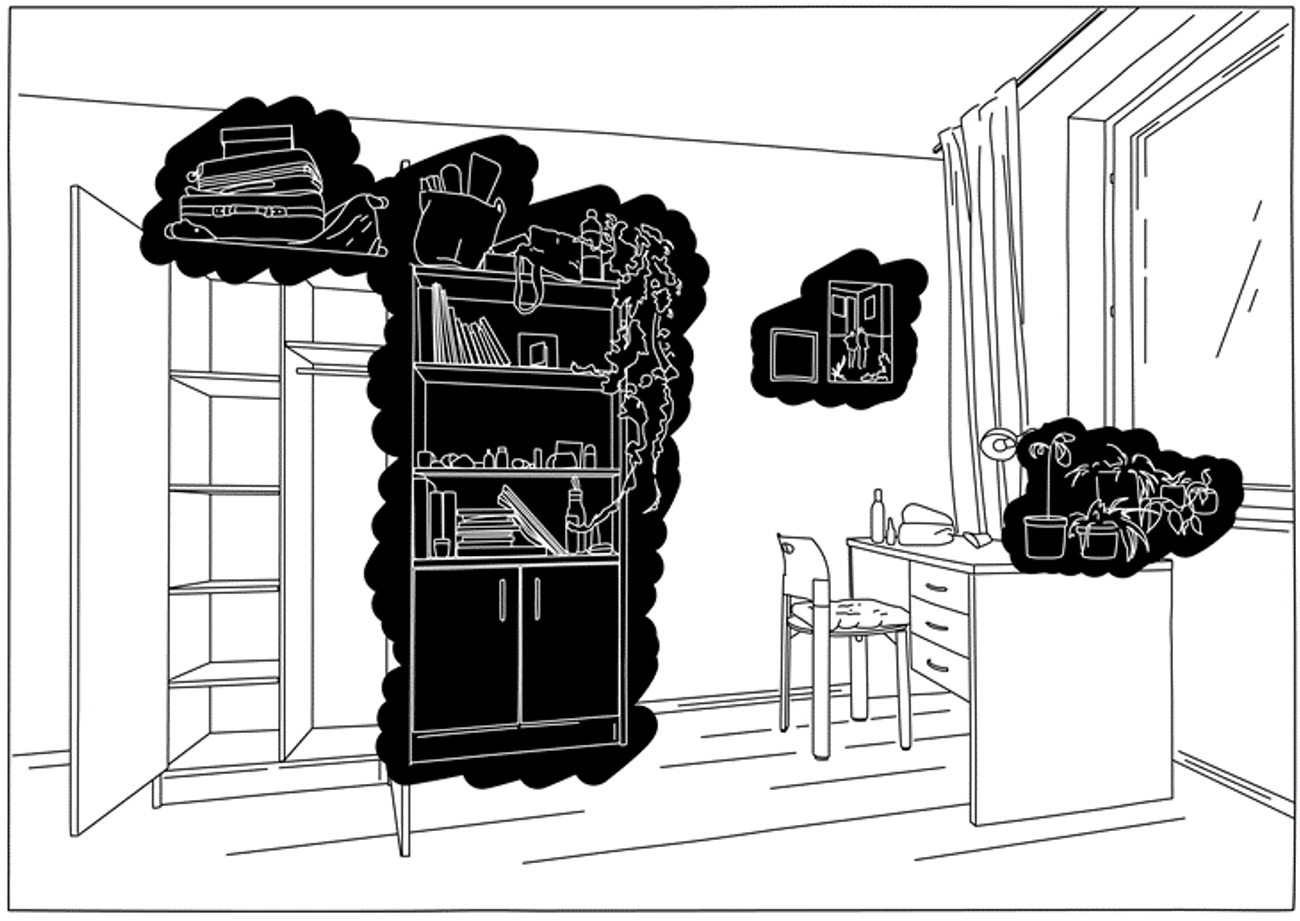
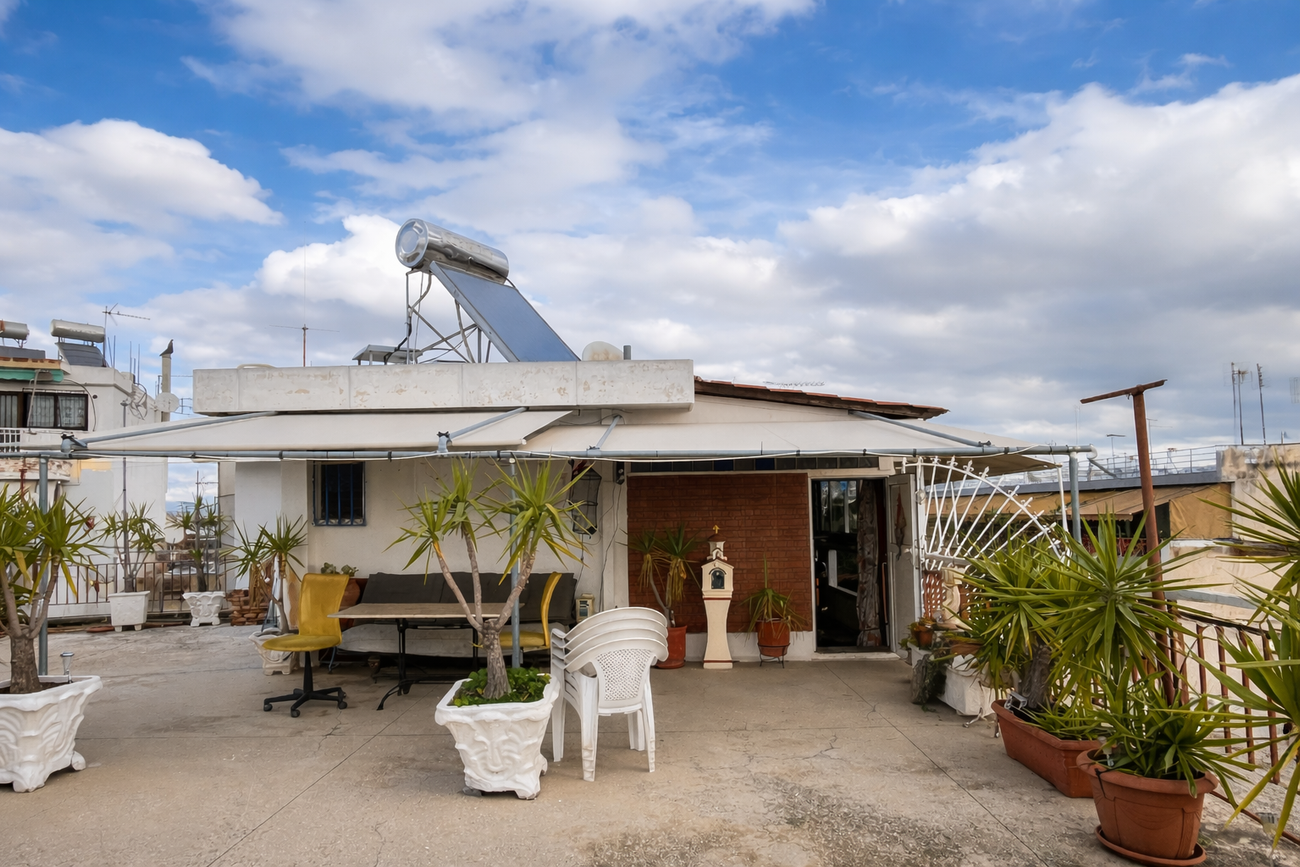


Focusing on three European contexts—Berlin, Cardiff, and Athens—representing different housing regimes (regulated, deregulated, and tolerant), the project analyses how varying policy environments shape hidden housing strategies. It seeks to capture both local specificities and broader European dynamics, offering comparative insights that can inform more inclusive housing policies.
The project uses a mixed-methods approach, combining interviews and life stories, spatial documentation of building changes, analysis of online housing platforms, and policy review to link everyday housing practices with official frameworks. Through this multidimensional approach, the project aims to make visible the everyday adaptations that challenge conventional understandings of housing and urban governance.
Athens
Tolerated Informality and Formalisation
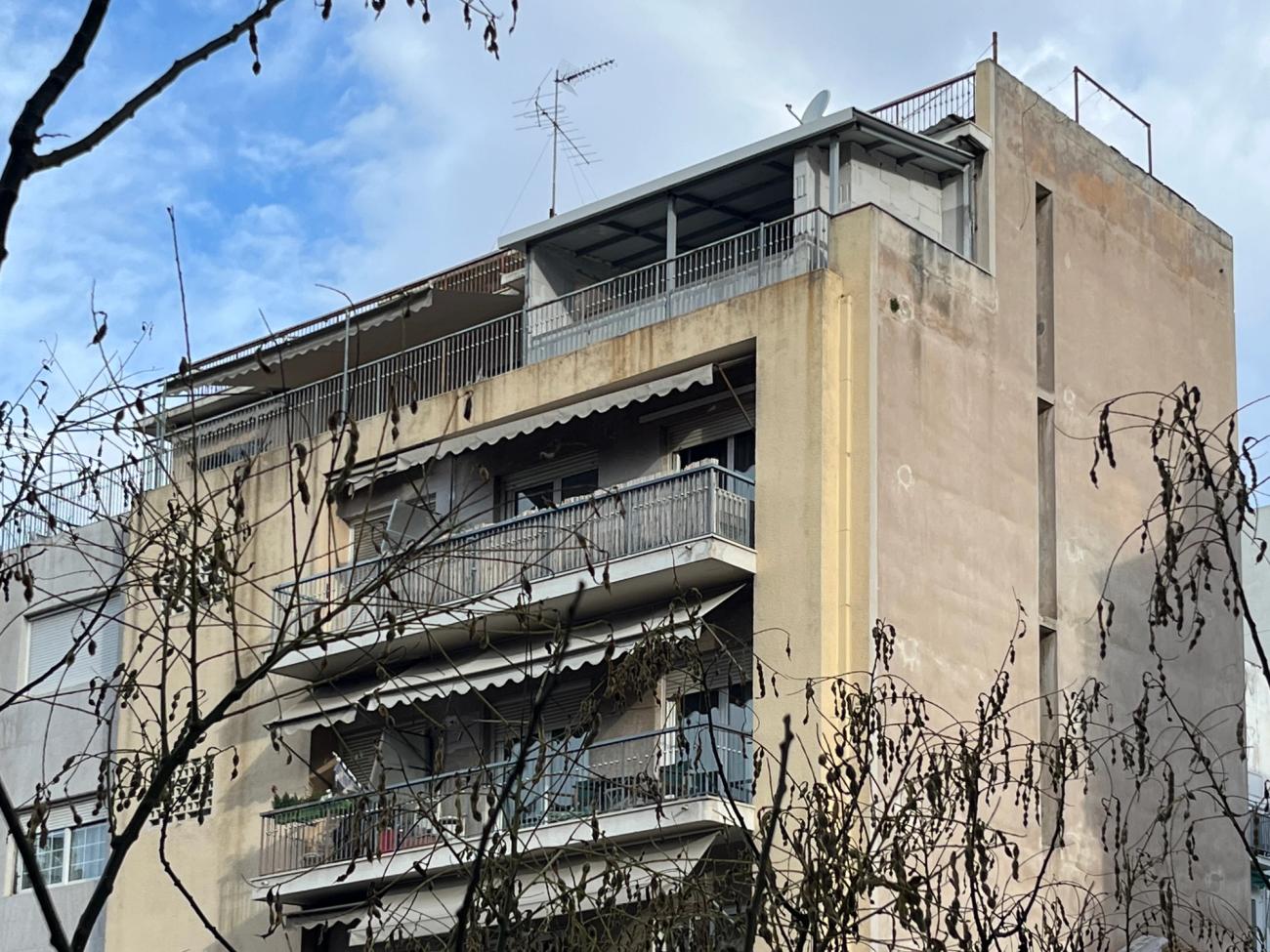
In Athens, housing transformations often occupy a grey area in terms of legality. Vertical extensions, rooftop modifications, and balcony enclosures are widespread, with authorities frequently tolerating or retroactively legalising them. This study examines how tolerated informality became a financialized, taxable resource that generated revenue for the state, while continuing to shape urban landscapes and produce both resilience and inequality amid rapid gentrification.
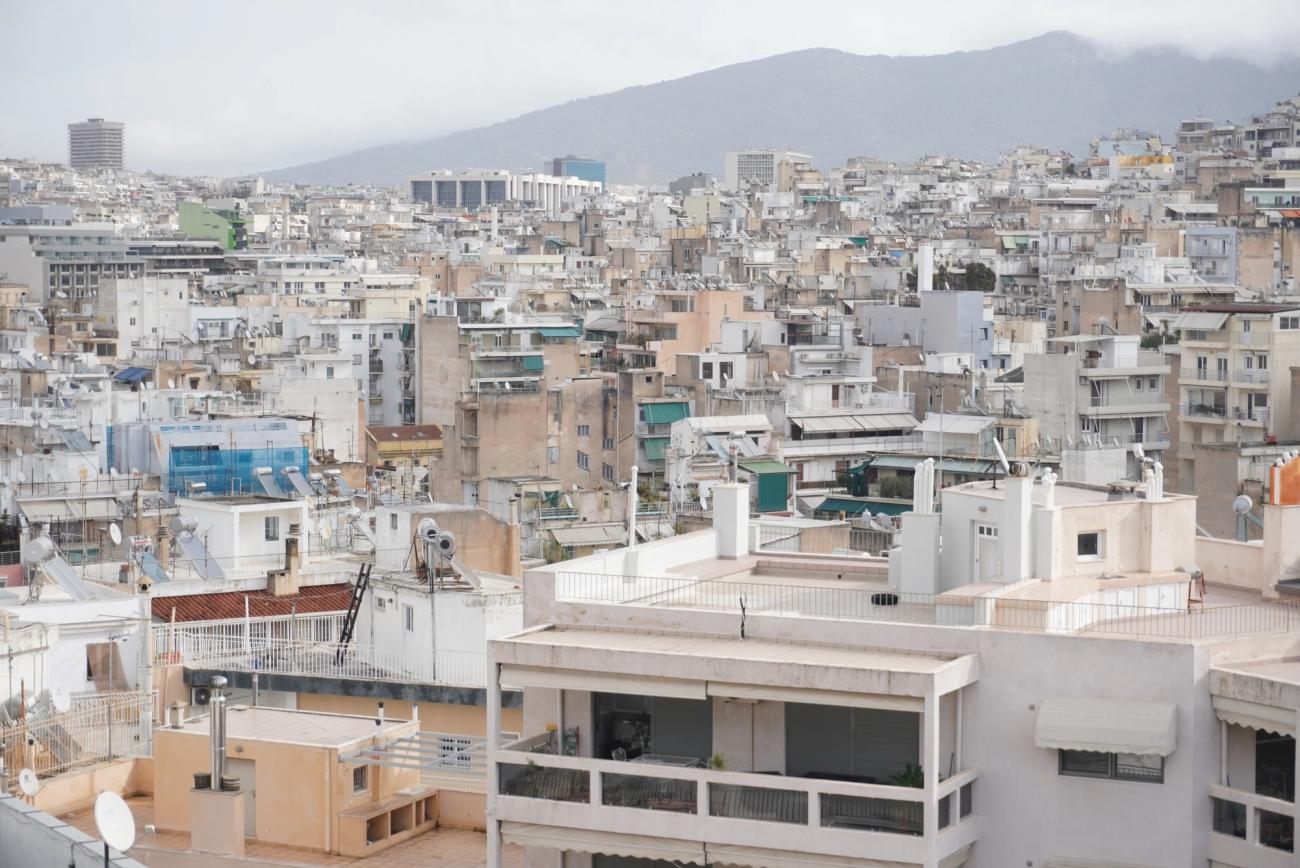
In this scenario, the public sector is either unable or unwilling to control specific phenomena, leading to the de facto tolerance of formally ‚illegitimate‘ developments (Durst & Wegmann, 2017; Chiodelli et al., 2021). These formats are tolerated to a degree that ‚one might hesitate to call them illegal‘ (Petrovic, 2005), as seen in the example of the construction of an unauthorised floor in Italian cities, which falls under very severe legislation but is rarely sanctioned (Chiodelli et al., 2021). These types of processes are facilitated both in a self-help manner and within formally established architectural practices. Many developments emerge through the use of legal ambiguities or are based on a social contract leading to the acceptance of specific forms of developments.
These are common in Southern European contexts (Chiodelli et al., 2021) and include incremental housing approaches, such as semi-illegal construction modes in Athens (Alexandri, 2018). The city‘s development is commonly described through several phenomena capturing this dynamic. Post-Second World War development was driven by the growth of informal settlements (Mantouvalou et al., 1995) and the system of Antiparochi - where housing production was negotiated across small construction companies, landowners, and the public sector, leading to the replacement of old buildings with more densely built-up districts (Alexandri, 2018). While laws are being formulated and systematically updated to regulate illegitimate developments, the state is, selective in enforcing its regulatory function. For instance, it often engages in post-factum licensing of otherwise informal/unregularised construction, commonly referred to as ‘afthaireto’ (αυθαίρετος) (encompassing various forms of extensions, particularly enclosures of balconies and rooftop modifications in an urban context). Furthermore, the phenomenon of constructing outside legal provisions, either by breaching or exceeding their prescriptions or exploiting loopholes, exists (named as: Paranomos - παράνομος). It may involve, for instance, structural conversions or illegal changes of uses.
The Athens case study will concentrate on such socio-spatial processes and trace spatial and usage transformations of housing and their reverse impact on policies. It will consider phenomena significant in scale and evaluate the role of social and legal norms within the local housing market. In particular, the issues of incremental vertical extensions and externalisations of various housing functions to rooftop spaces in Athens, as well as the conversion of uses of buildings in the context of the public sector‘s tolerance towards ‚spontaneous‘ forms of development, will be considered. It will encompass the lived experiences of tenants, owners, as well as public administration and architectural firms, among others. At the same time, the study will reflect on divergent transformation trajectories of building transformations, in terms of their spatial and morphological functions, including residential, environmental (energy generation, greenery, water resources), and recreational functions on the redeveloped rooftop spaces.
This study is realised in the context of radical gentrification threatening the city (Alexandri, 2018). It will reflect on the issues related to vertical residential segregation (Maloutas & Spyrellis, 2015), the influence the possibility of informal extensions has on the high valuation of rooftop flats, as well as the rise of platform economies focusing on housing, including short-term rentals and micro-living (Balampanidis et al., 2021). Scoping of neighbourhoods characterised by different income levels as a starting point that includes Chalandri (mid to high-income) and Nikaia/ Keratsini (mid to low-income).