Cardiff's inner-city suburb of Cathays, located in close proximity to Cardiff University's main campus, is home to a large proportion of the city's student population. Many students live in professionally managed shared flats, known in the UK as houses in multiple occupation (HMOs). Walking along the student-populated high streets of Cathays, it is striking how many letting agents there are, mostly specialising in student housing and offering rooms to individuals or houses to groups of students. As well as advertising rooms and arranging lettings, these agencies often manage properties on behalf of landlords, including all tenant-related matters and maintenance issues. Some agencies also act as landlords and developers.
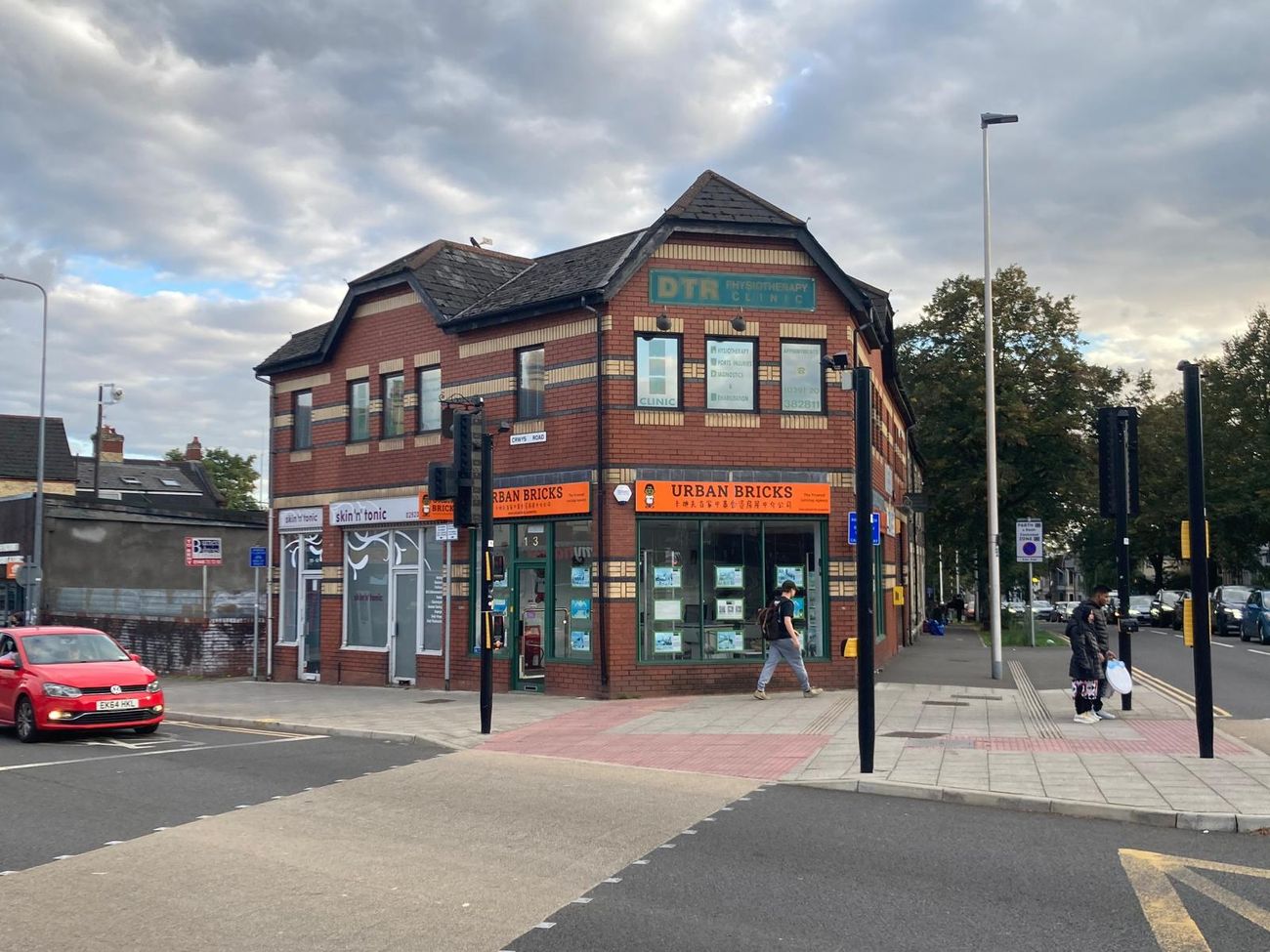
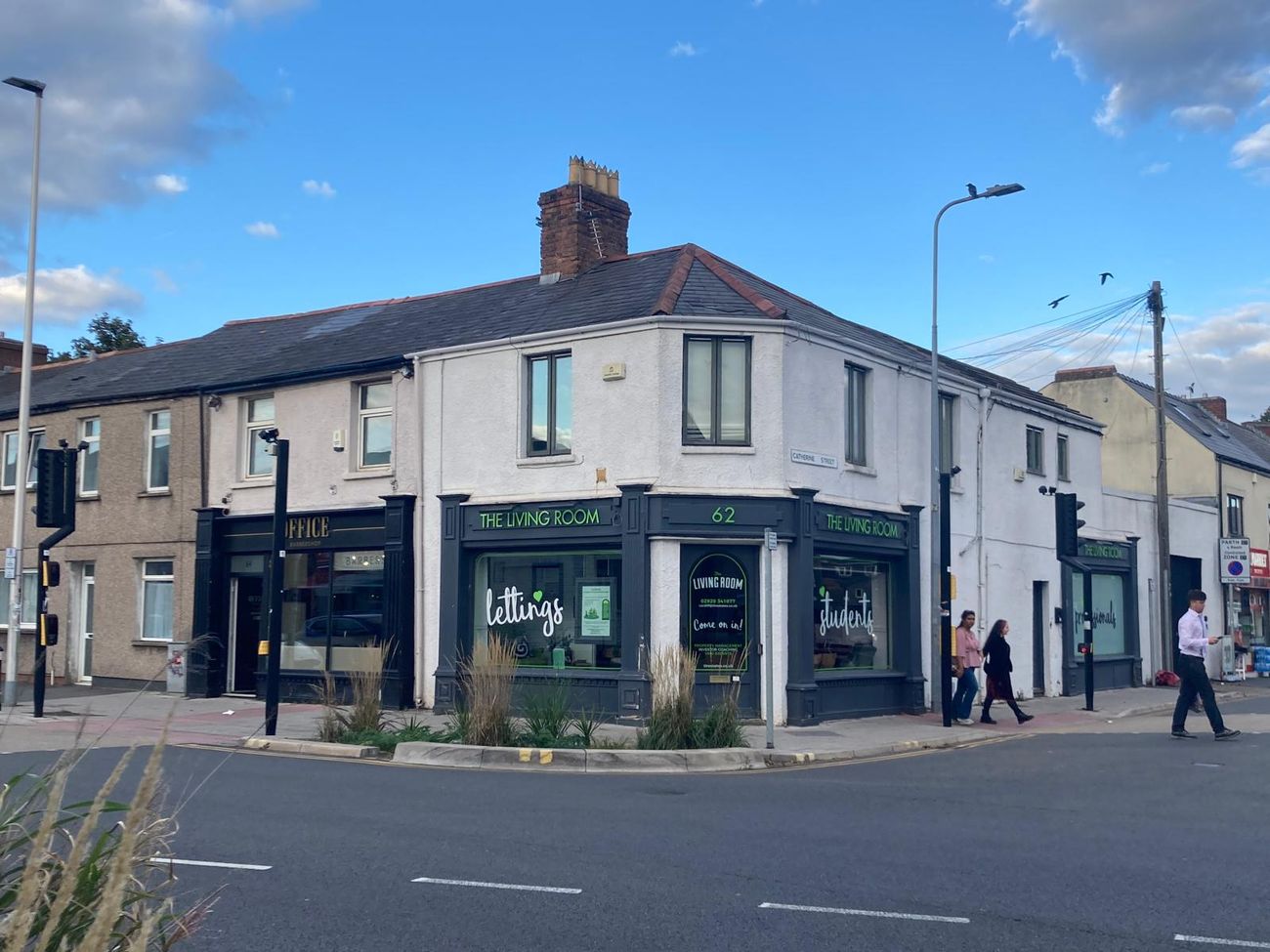
While purpose-built student accommodation has increased in central areas of the city in recent years, the dominant housing type for students in Cathays remains Edwardian and Victorian terraces. As HMOs require licensing, municipalities have detailed data on that housing form. Cardiff Council's geodata portal for instance visualises the strong presence of HMOs in Cathays and their dominance in many streets of the area.
In order to accommodate student tenants and meet the requirements for obtaining HMO licences, many of the terraces have been remodelled. While the street-facing facades remain largely unchanged, the floor plans and backsides of the houses have often undergone substantial transformation. This includes subdividing rooms to create extra bedrooms and small bathrooms. Large rear extensions are widespread and often exceed the length of the original building, hosting communal spaces on the ground floor and additional bedrooms and bathrooms on the first floor. Dormer conversions, which allow bedrooms to be added to the former attic space, are another very common type of extension that can be seen on many houses in Cathays.
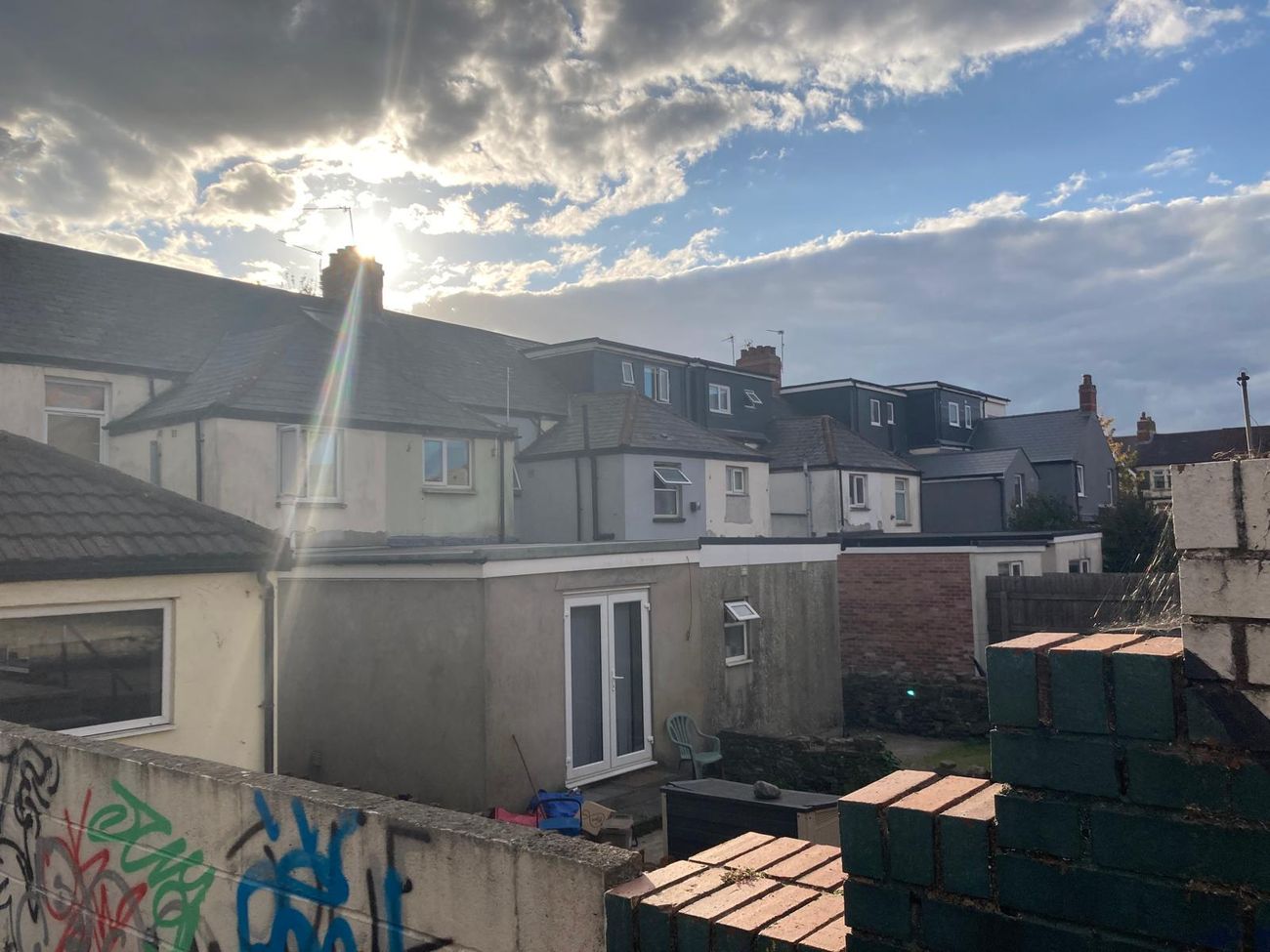
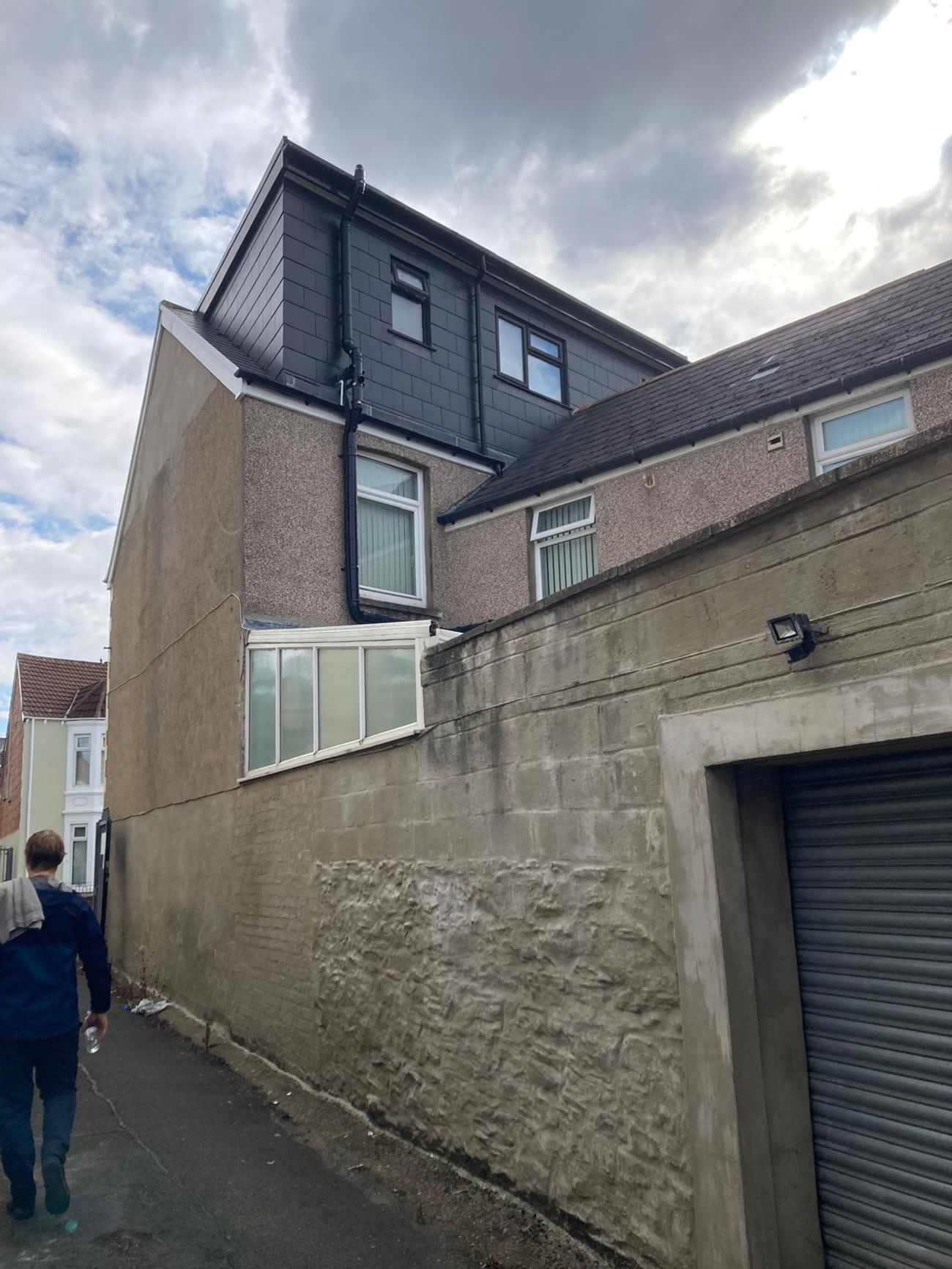
These alterations mean that terraces, which would normally have two or three bedrooms, now have between six and nine. Given the number of HMOs in Cathays, it is evident that the conversion of terraced houses into HMOs, made possible by extensions and physical alterations, has contributed substantially to the densification of the area.